I wake up so stiff and sore it takes me half an hour to get moving.
Morning stiffness is one of the most common things he hears. It usually traces back to joints sitting out of alignment, and it responds well to care.
Come in for one unhurried visit. I will measure exactly what is going on, show you what I find on your own scans and X-rays, and tell you honestly whether I can fix it. After 37 years and more than 10,000 patients, including the U.S. Women's Olympic and World Cup Soccer teams, I usually can.
Open mornings most days. Thursday is afternoons only, 3:00 to 6:00 pm.

I never start with a diagnosis. I start with what you actually say, in your own words. I have heard every one of these thousands of times. The longer the real cause goes unfound, the more your body learns to work around it, and the harder it digs in. The good news is simple: every one of these has a cause I can find, and most of them I can fix.
I wake up so stiff and sore it takes me half an hour to get moving.
Morning stiffness is one of the most common things he hears. It usually traces back to joints sitting out of alignment, and it responds well to care.
I get this numbness feeling going down my leg.
That is often sciatica, a pinched nerve in the lower back. The first-visit exam shows exactly which level is involved.
I'm getting these headaches that are kind of all over my head.
Many headaches start at the top of the neck, at the atlas and axis. A specific open-mouth X-ray view lets him see those two bones clearly.
Every time I turn my neck a certain way, I get this shooting pain into my shoulder blades.
A classic sign of a neck that needs attention, often from years of forward head carriage in front of a computer.
I've been icing, I've been heating, I've been taking Advil. Nothing's working.
When home care stalls, it usually means the cause has not been found yet. Finding it is what the first visit is for.
Pain going down into my butt, down my leg. It's just driving me nuts.
He hears this almost every day. It usually means a nerve in the lower back is getting pinched, and he can almost always help.
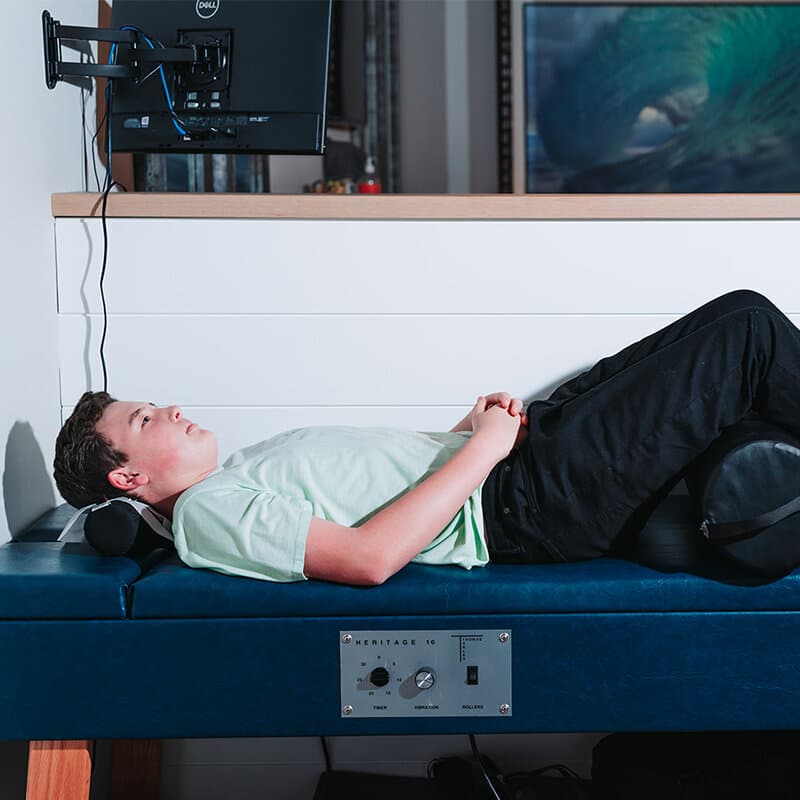
Picture a disc like a jelly donut. When the jelly pushes out and presses on a nerve, that is a herniation or a bulge, and it is what sends pain down your leg. Decompression gently separates the bones so the disc has room to draw back in.
I flew to Florida, put the two top tables side by side, and chose the AccuSpina for the research behind it and for one patented detail. At maximum load, the table oscillates, so the disc is worked while it is decompressed. My old budget table earned a nickname I still use, the pickup truck Toyota. I do not buy pickup trucks anymore.
The patients I help most with this are disc herniations, bulges, sciatica, and chronic low back pain with degeneration. After your plan comes a progress exam, then a retainer schedule, the way braces hand off to a retainer. Around visit 15, Melanie's corrective exercise work begins, so what we corrected stays corrected.
We bought the most expensive machine because it gets the best results.Dr. Michael Foudy, D.C.
 The Gold Thread
Some clinics hang stock photos. This one has a national team on its resume. The thread below runs from a 1989 license at LACC to the table you will lie on this week.

“I've treated over 10,000 patients. I think I know what I'm doing.”
Dr. Michael Foudy, D.C.The career, in five waypoints
Doctor of Chiropractic, Los Angeles College of Chiropractic. The Mission Viejo practice opens the same year.
B.S., Human Biology
Official chiropractor to the U.S. Women's Olympic Soccer Team. The team brings home gold.
The gold medal run
The U.S. women take the World Cup, and Dr. Foudy is named Chiropractor of the Year.
Chiropractic Leadership Alliance
Eight years of national team duty close with one last Olympic tournament.
U.S. Women's National Team, 1996 to 2004
37 years in practice. Over 10,000 patients. The same table-side standard, on Marguerite Parkway.
10,000+ patients and counting
Every patient asks me the same four questions, in the same order. Can you help me? What is actually going on? How long will it take? How much will it cost? I answer all four in one unhurried visit, and you watch it happen. I measure before I ever touch you, then I show you exactly what I found. The surface EMG reads the software. The X-rays show the hardware. And if what I find is not mine to fix, I will tell you straight and send you to the right person. I would rather point you down the street than sell you care you do not need.
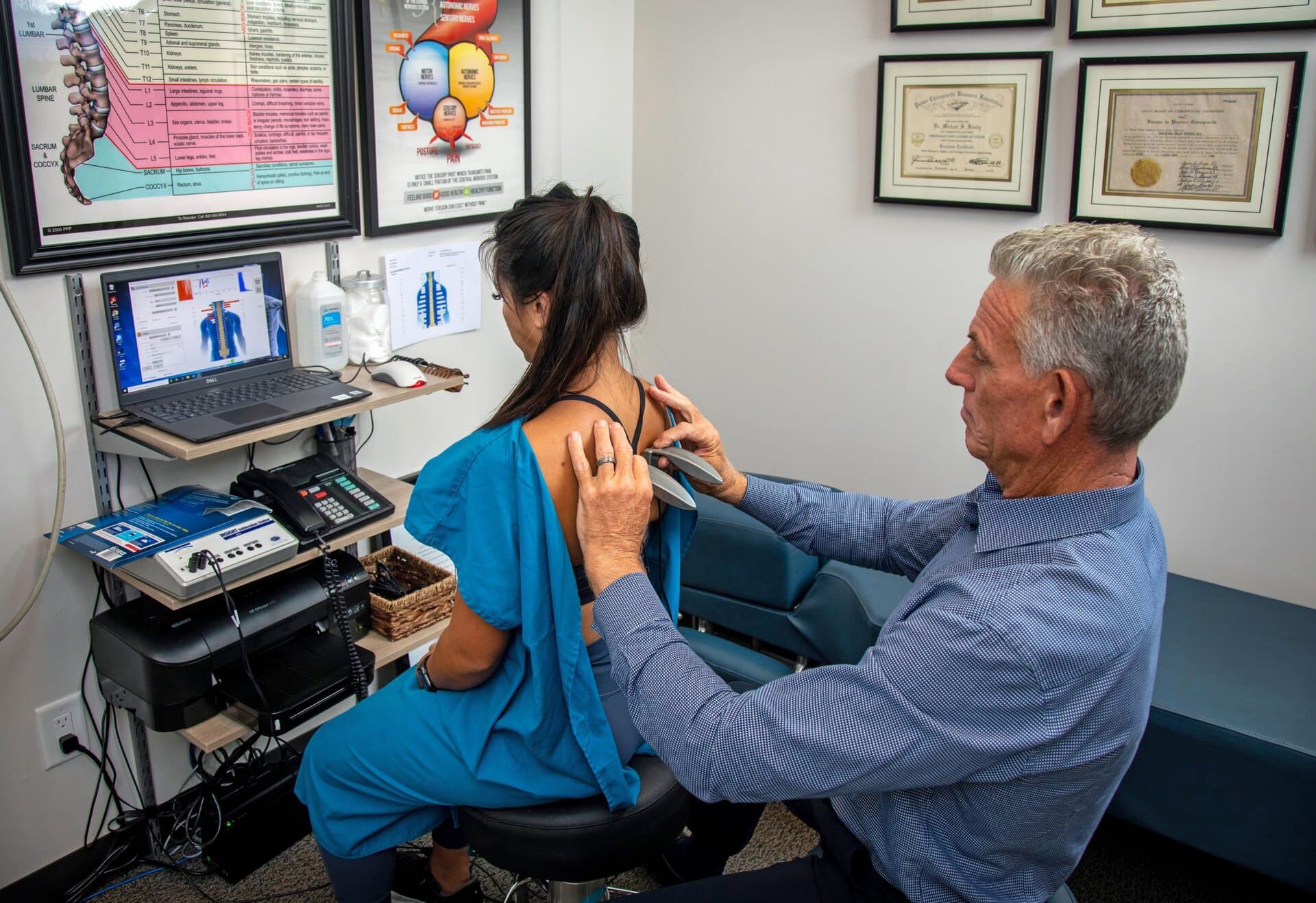
Posture and weight bearing on dual scales, range of motion with a protractor, reflexes, then a surface EMG. “We're going to do an EKG of your nervous system.” It reads the electrical signal level by level.
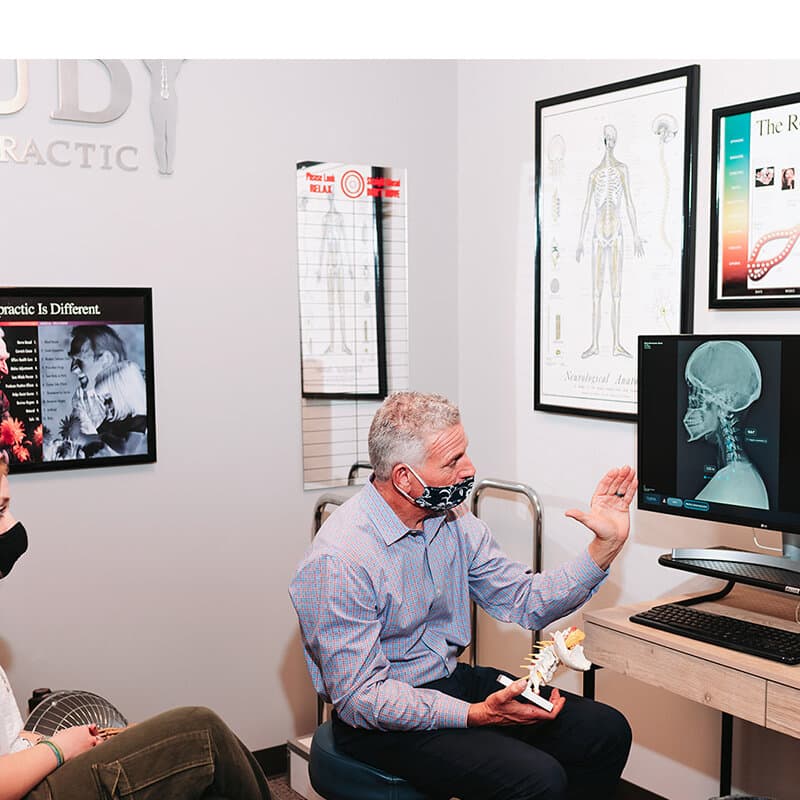
Digital X-rays finish the picture: AP, lateral, and an AP open-mouth view for headache cases. He shows you your own images and explains exactly what he sees, in plain language.
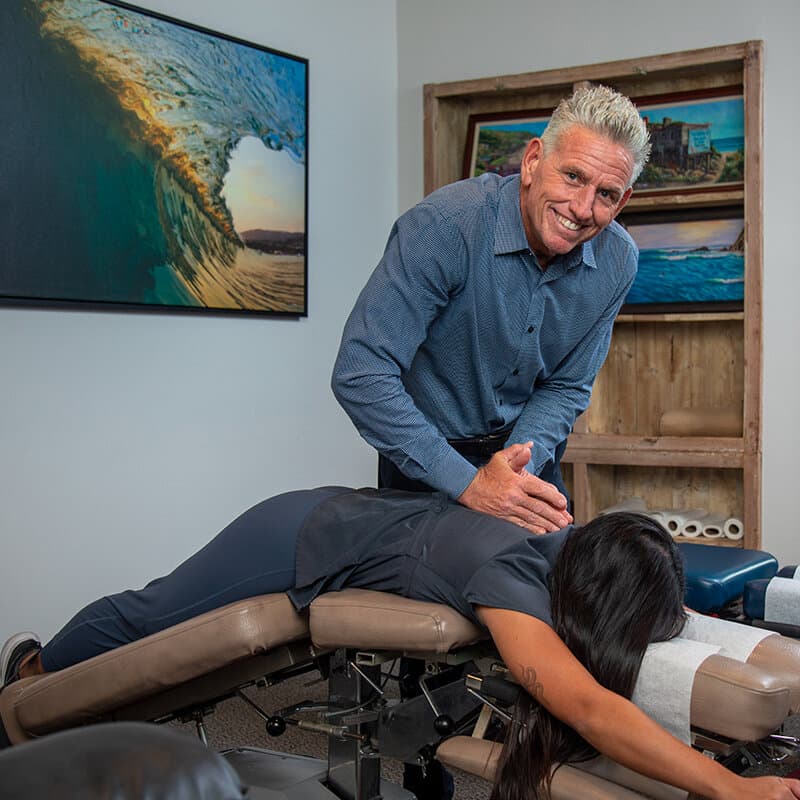
“Your spine is like your circuit breakers.” An adjustment pops the one that is out back into alignment so the signal flows again. Six techniques, matched to your body, not the other way around.
We're not measuring your pain. We're measuring how the nervous system is functioning.Dr. Michael Foudy, D.C.
Adjustment visits run about 30 to 45 minutes at $90, with every modality included. Most care plans start at two to three visits a week, then taper as your spine learns to hold the progress. Spinal decompression plans are personal, so I discuss them with you in person after your exam, never quoted from a website. Most patients pay cash, and Carmen can verify your insurance when you call.
Book your show-and-tell consultationor call (949) 365-0403 and ask for Carmen
Most of this team has been together for over a decade. Carmen has managed the front office for more than fifteen years, and Melanie builds the rehab side of your care. The room never feels crowded, and your visit never feels timed.


Melanie holds two master’s degrees and more than thirty years of experience. As an Integrative Corrective Exercise Specialist, she evaluates your posture, movement, and muscle balance, then builds the stretching and corrective-exercise program that makes your adjustments hold. She also trains physical therapists in her methods.

Carmen has run the practice for more than fifteen years. She manages scheduling, insurance verification, and billing, and she is your point of contact for anything about your account or benefits. Call the office, and you are most likely speaking with Carmen.

Mallory is usually the first face you see at Foudy Chiropractic. She coordinates your appointments and sets up your therapies before each visit, so your time in the office runs smoothly from check-in to treatment.

Stacy is a licensed massage therapist with twelve years of clinical experience. She specializes in Active Isolated Stretching, sports, prenatal, and relaxation massage, working alongside your care plan to release the soft tissue around each adjustment.
Real people who walked in hurting and unsure it would work, and found out it did.
“That first adjustment was amazing! That night I had the best night's sleep in years.”

* Thursday is afternoons only. Plan around it, or let Mallory find you a morning.
Spinal decompression plans are personal, so they are discussed in person after your exam, never quoted from a website. Most patients pay cash. Carmen can verify insurance when you call.
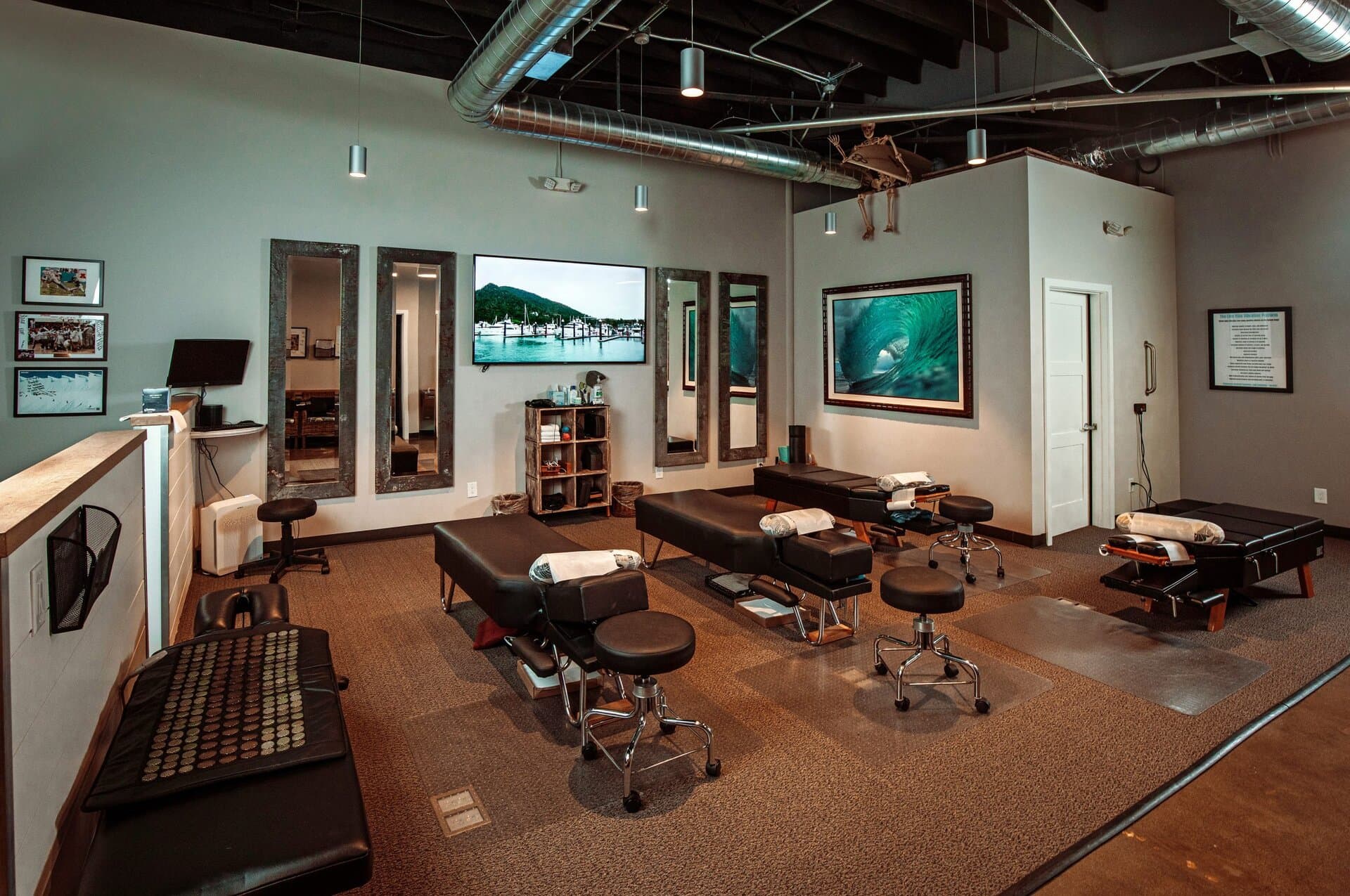
“Hey, you got to brush your teeth, you got to eat good food, you got to exercise. It's called lifestyle.”
Dr. Michael Foudy, D.C.Most folks wait longer than they should, and a spine rarely sorts itself out. One unhurried visit tells you exactly where you stand, and whether I can help. Let's take a look together.